Why Should Brands Feel More Human?

Brands are getting very good at looking like brands. Perfect images, perfect language, perfect feeds, perfect campaigns. Everything is polished, carefully considered and completely on-brand. But sometimes, when everything is made to be perfect, there is surprisingly little left to feel. People aren't perfect. So why should brands be? The things we remember are often the things with a little personality. A strange detail, a real reaction, maybe an unexpected idea. Something that feels slightly different from everything else around it. Because ultimately, we don't connect with perfection. We connect with things that give us something to recognise, respond to or feel.
People don't just consume brands anymore
The relationship between brands and people has changed. For a long time, communication was relatively simple: a brand created something, put it in front of an audience and hoped people would respond. Today, people don't just consume brands. They comment on them, share them, create content around them and bring their own opinions into the conversation. They can turn a campaign into a conversation, a product into a cultural reference, or a brand moment into something much bigger than what the brand originally created. The audience isn't just watching anymore. They're participating. That means brands aren't only talking to people. And when people can respond, interact and contribute, having something genuine to say becomes much more important.
Human brands have a point of view
The brands that feel human often have one thing in common: they have a point of view. They know what they like. They know what they believe. They know how they want to show up. They don't necessarily try to appeal to everyone, and they don't need to. A strong point of view makes a brand recognisable. It gives people something to understand and, sometimes, something to agree or disagree with. It creates space for a relationship rather than just a transaction. This is especially important now, when audiences are surrounded by more branded content than ever before. If everything looks and sounds the same, there is very little reason to remember one brand over another.
Perfect isn't always personal
There is nothing wrong with beautiful work. But beautiful on its own isn't always enough. A perfectly composed image can be forgotten almost immediately. A slightly unexpected image, expression or idea can stay with you because it creates a reaction. It might make you curious. It might make you laugh. It might make you uncomfortable. It might simply make you stop for a second longer than you intended. That reaction is valuable. Human doesn't mean unpolished. It means giving people something they can connect with.

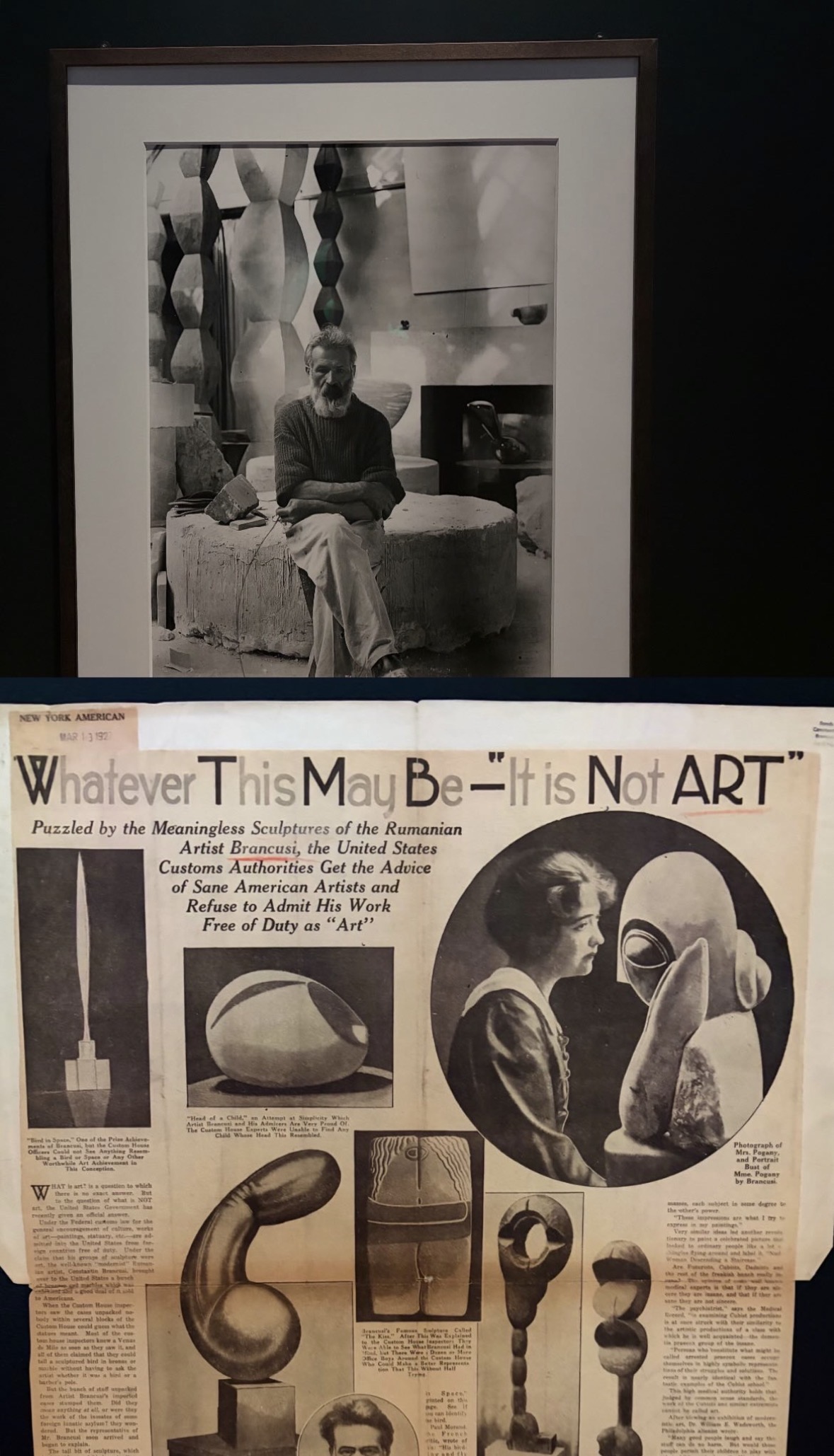
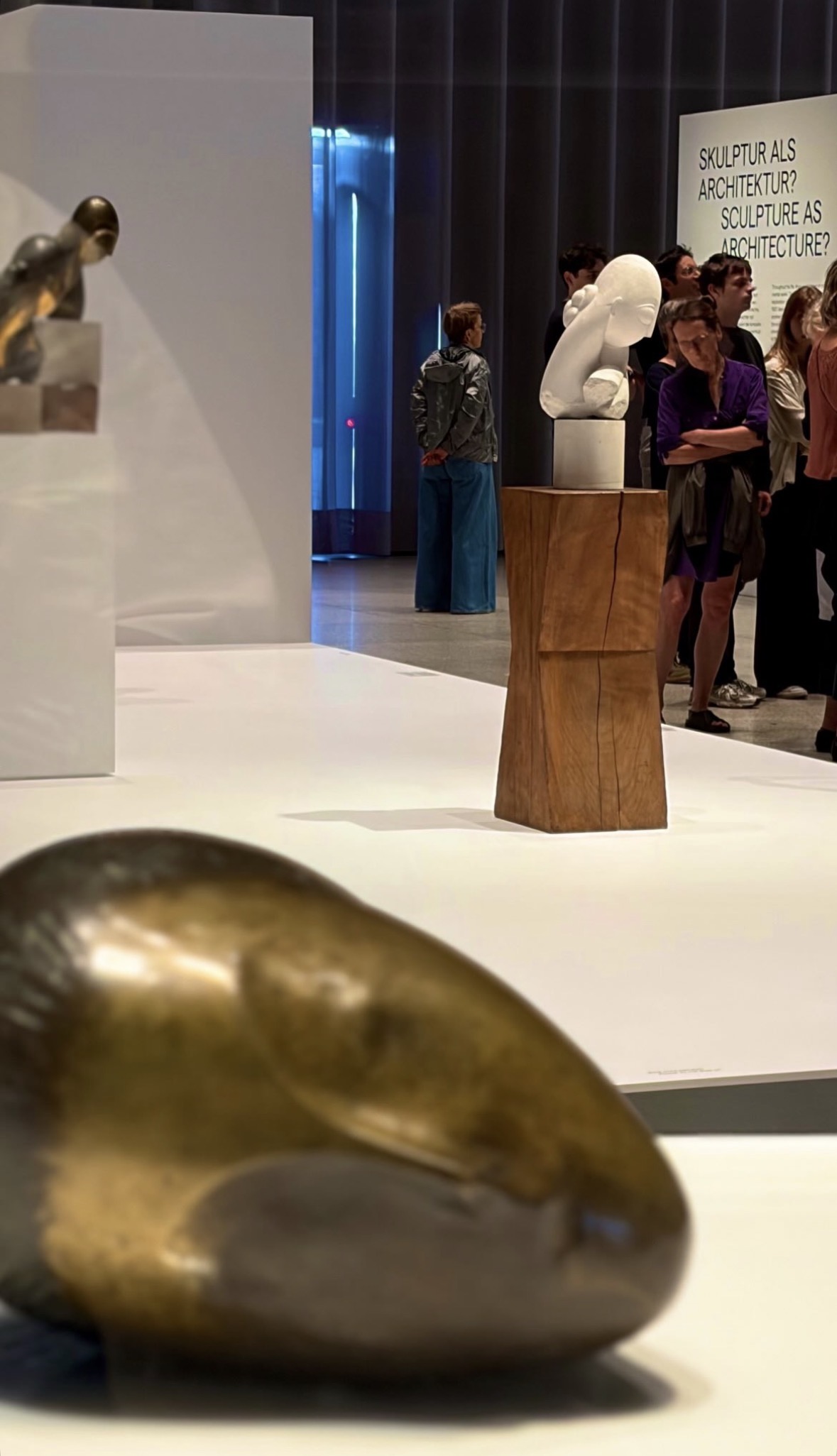
Don't make your brand more human. Make it more you.
When brands hear that they should feel more human, the answer can sometimes become predictable: more casual language, more humour, more behind-the-scenes content, more trends. But that's not really what makes a brand human. Personality can't be added at the end. It needs to come from the brand itself - from what it believes, what it notices, what it cares about and how it sees the world. The goal isn't to make every brand sound like a person. It's to make every brand feel like it has a reason to exist beyond selling something.
That's where creative comes in
Creative has the ability to find the human part of a brand and turn it into something people can actually experience. It's in the details, tone, tension. The image that feels slightly different. The campaign that gives people something to talk about. The goal isn't simply to make people notice a brand, it's to make them feel something about it. Because people don't just remember what brands told them. They remember how brands made them feel, what they made them think about, and sometimes, what they made them want to be part of.
Don't make your brand more human. Make it more you.
That's where the interesting work starts.