Calvin Klein in the 1990s
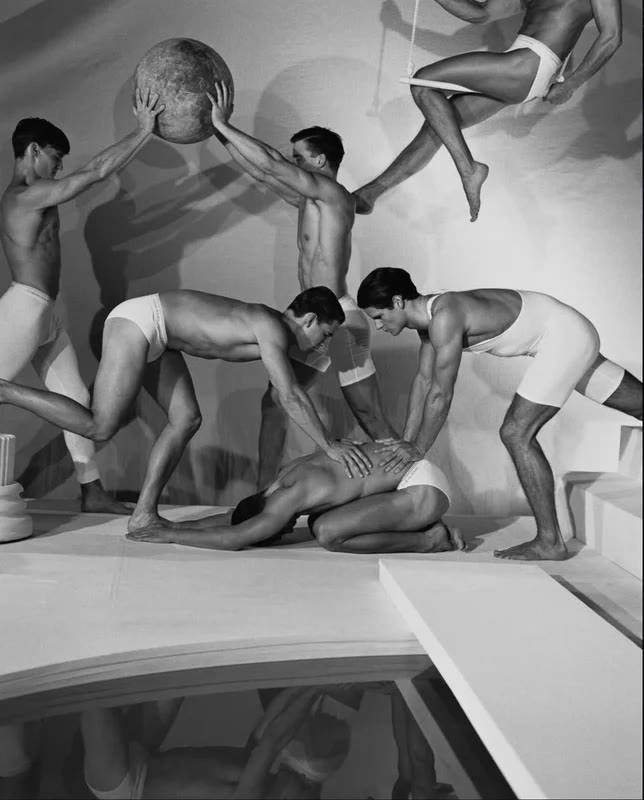
Remove what is unnecessary. Focus on material, form, and emotion.
In the 1990s, fashion advertising reached a defining moment. Before social media transformed the way brands communicate, a single campaign image could shape an entire generation's understanding of beauty, identity, and desire. Among the brands that mastered this power, Calvin Klein created one of the most influential visual languages of the decade. The formula was deceptively simple: minimal styling, intimate photography, strong personalities, and an understanding that the person was just as important as the product. Calvin Klein did not sell a lifestyle filled with excess.
The Calvin Klein Aesthetic
During the 1990s, Calvin Klein moved away from traditional luxury advertising. Instead of dramatic settings and elaborate styling, the brand embraced simplicity. White backgrounds. Black-and-white photography. Natural expressions. Minimal clothing. The campaigns felt personal, almost like private moments captured on camera. This approach reflected a broader cultural shift. Fashion was becoming less about fantasy and more about individuality. The clothing was not meant to transform the person. It was meant to reveal them.
Mario Sorrenti and Kate Moss: The Birth of a New Beauty Ideal
One of the most iconic collaborations of the decade was Calvin Klein's 1993 fragrance campaign for Obsession, photographed by Mario Sorrenti and featuring Kate Moss. Shot in a raw, intimate style, the campaign captured Moss before she became one of the biggest fashion icons in the world. The images rejected the polished glamour associated with previous generations of fashion photography. Instead, they focused on vulnerability, youth, and natural beauty. Sorrenti's photographs felt less like advertisements and more like personal memories. The campaign became a defining image of 1990s fashion and helped establish a new aesthetic: imperfect, intimate, and emotionally charged.
Bruce Weber and the Language of Youth
Another major figure in Calvin Klein's visual identity was Bruce Weber. Known for his cinematic approach and natural photography style, Weber created many of Calvin Klein's most memorable campaigns throughout the 1980s and 1990s. His images often focused on movement, confidence, and human connection rather than traditional fashion poses. Models appeared relaxed and authentic, creating a sense that the viewer was witnessing a moment rather than looking at a constructed advertisement. This approach became central to Calvin Klein's identity.
Herb Ritts and the Power of the Icon
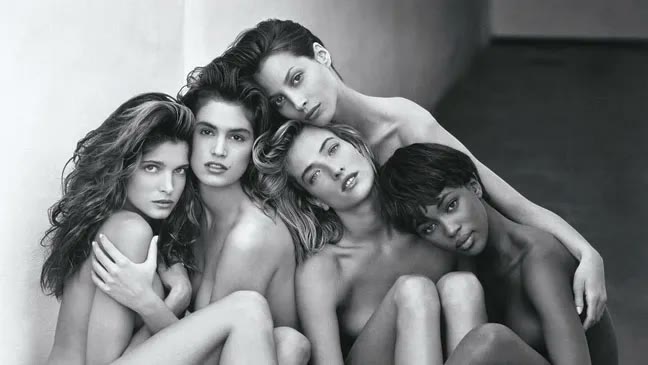
Herb Ritts also played an important role in shaping Calvin Klein's visual world. Ritts was known for his elegant black-and-white photography and his ability to create images that felt both modern and timeless. His work often emphasized form, body, and movement, turning simplicity into something powerful. His photographs proved that a minimal image could still carry enormous emotional impact.
The Rise of the Supermodels
The 1990s were defined by the supermodel era, and Calvin Klein worked with many of the decade's most recognizable faces. Christy Turlington became closely associated with Calvin Klein through campaigns for fragrances and underwear, bringing a sense of elegance and understated confidence. Mark Wahlberg appeared alongside Kate Moss in the famous 1992 Calvin Klein underwear campaign, photographed by Herb Ritts. The campaign became one of the most recognizable fashion images of the decade and transformed underwear advertising forever. Other models including Naomi Campbell, Christy Turlington, and Claudia Schiffer also represented the era's changing definition of beauty and sophistication.
Why These Campaigns Still Matter
The influence of Calvin Klein's 1990s campaigns can still be seen today, not only in fashion, but in interiors, architecture, and contemporary branding. The philosophy remains relevant: Remove what is unnecessary. Focus on material, form, and emotion. This is why these campaigns continue to inspire designers and creatives decades later. They were not successful because they followed trends. They succeeded because they created a feeling.
The Legacy of Calvin Klein's 1990s Era
The greatest achievement of Calvin Klein's campaigns was turning simplicity into a statement. A plain white background became a signature. The campaigns proved that the strongest images are often not the ones with the most information, but the ones with the clearest intention. That is why the Calvin Klein aesthetic of the 1990s continues to influence fashion and design today. Because true minimalism is not about having less. It is about making every element matter.