David Lynch: An Entirely New Way of Seeing

I don't know why people expect art to make sense. They accept the fact that life doesn't make sense.
David Lynch
There are filmmakers who entertain us, filmmakers who challenge us, and then there was David Lynch, a director who changed the language of cinema itself. He didn't simply make films, he created experiences that lingered long after the screen went dark.
At a time when audiences expected stories to have clear beginnings, endings, and explanations, Lynch chose another path. He trusted emotion over logic, intuition over certainty. His films invited us into worlds where beauty and horror existed side by side, where the familiar could become terrifying in an instant, and where the line between dreams and reality simply disappeared.
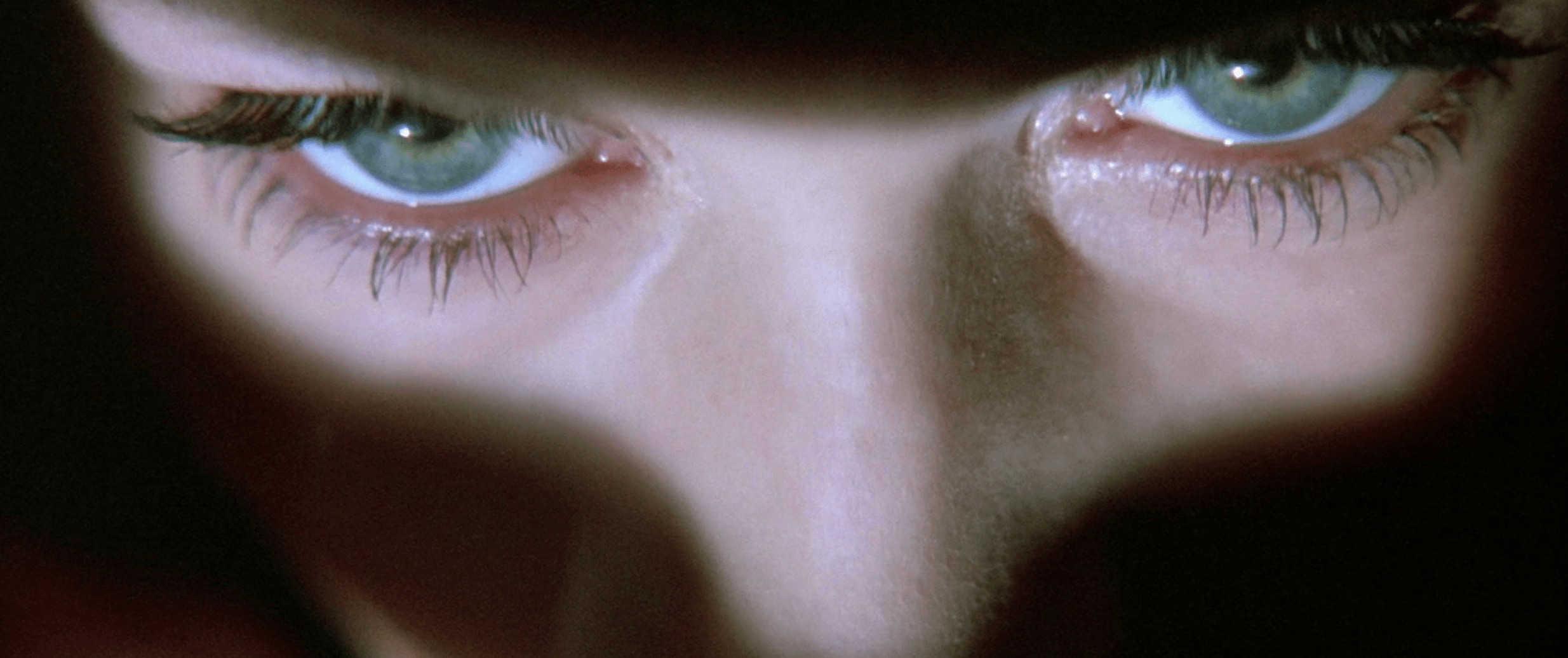
Whether it was the haunting mystery of Mulholland Drive, the unsettling darkness hidden beneath suburbia in Blue Velvet, the industrial nightmare of Eraserhead, the hypnotic journey of Lost Highway, or the unforgettable town of Twin Peaks, every David Lynch project carried its own unmistakable heartbeat. They weren't films you simply watched, they were films you experienced. They demanded your attention, challenged your expectations, and rewarded every revisit with something new.
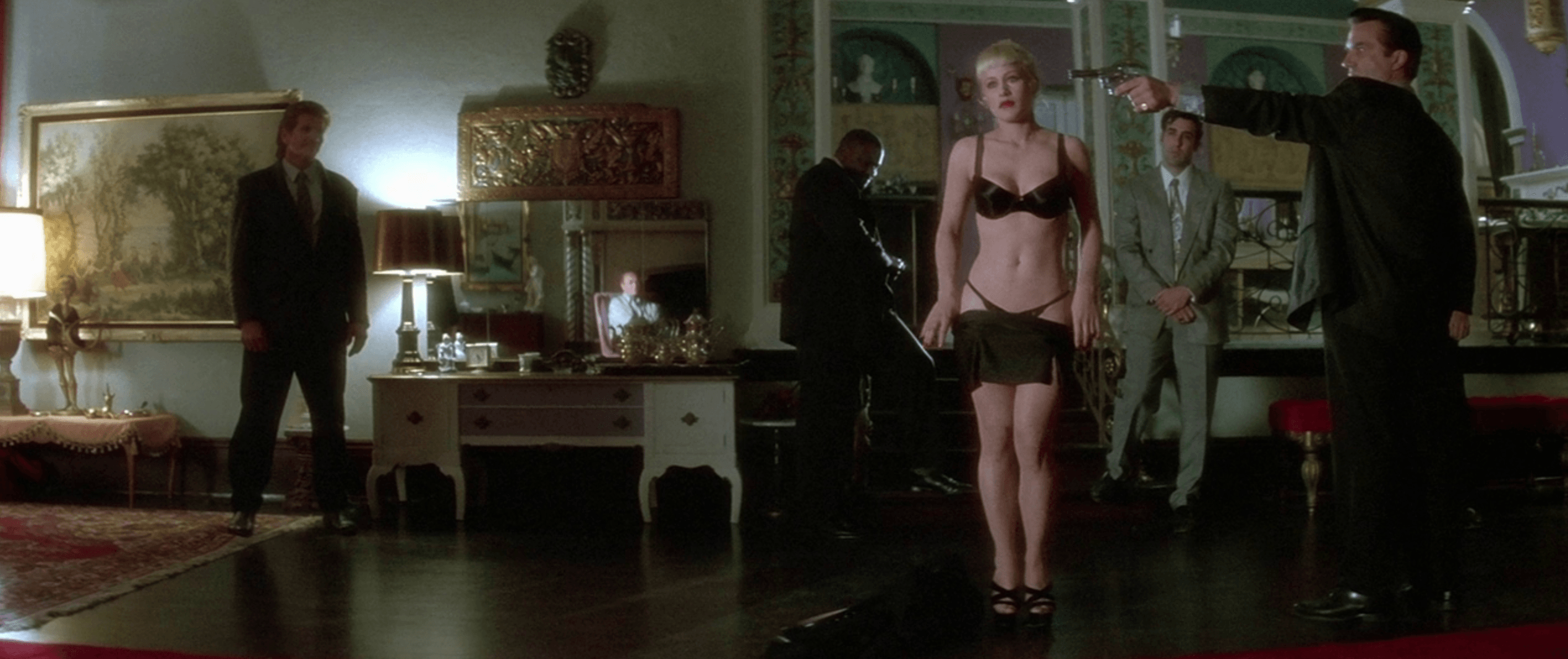
Lynch understood something few artists ever truly master: mystery has power. In an era obsessed with explanations, he reminded us that not everything needs to be understood to be meaningful. His stories left room for interpretation, allowing every viewer to discover something deeply personal within them. That fearless commitment to ambiguity is precisely what made his work timeless.
His influence stretches far beyond his own filmography. Countless directors, writers, musicians, and artists have drawn inspiration from the dreamlike atmosphere, unforgettable sound design, and emotional depth that defined his work. Yet despite how many have tried, no one has ever truly replicated what made a David Lynch film feel like a David Lynch film.
When David Lynch passed away on January 15, 2025, cinema didn't just lose one of its greatest directors, it lost one of its most original voices. But artists like Lynch never truly disappear. Every time someone steps into the Red Room, drives down Mulholland Drive, or hears the opening notes of Twin Peaks, his imagination lives on.
David Lynch taught us that cinema doesn't always have to provide answers. Sometimes its greatest purpose is to make us feel wonder, fear, curiosity, sadness, and awe, all at once.
He didn't just leave behind a collection of films. He left behind an entirely new way of seeing the world.